


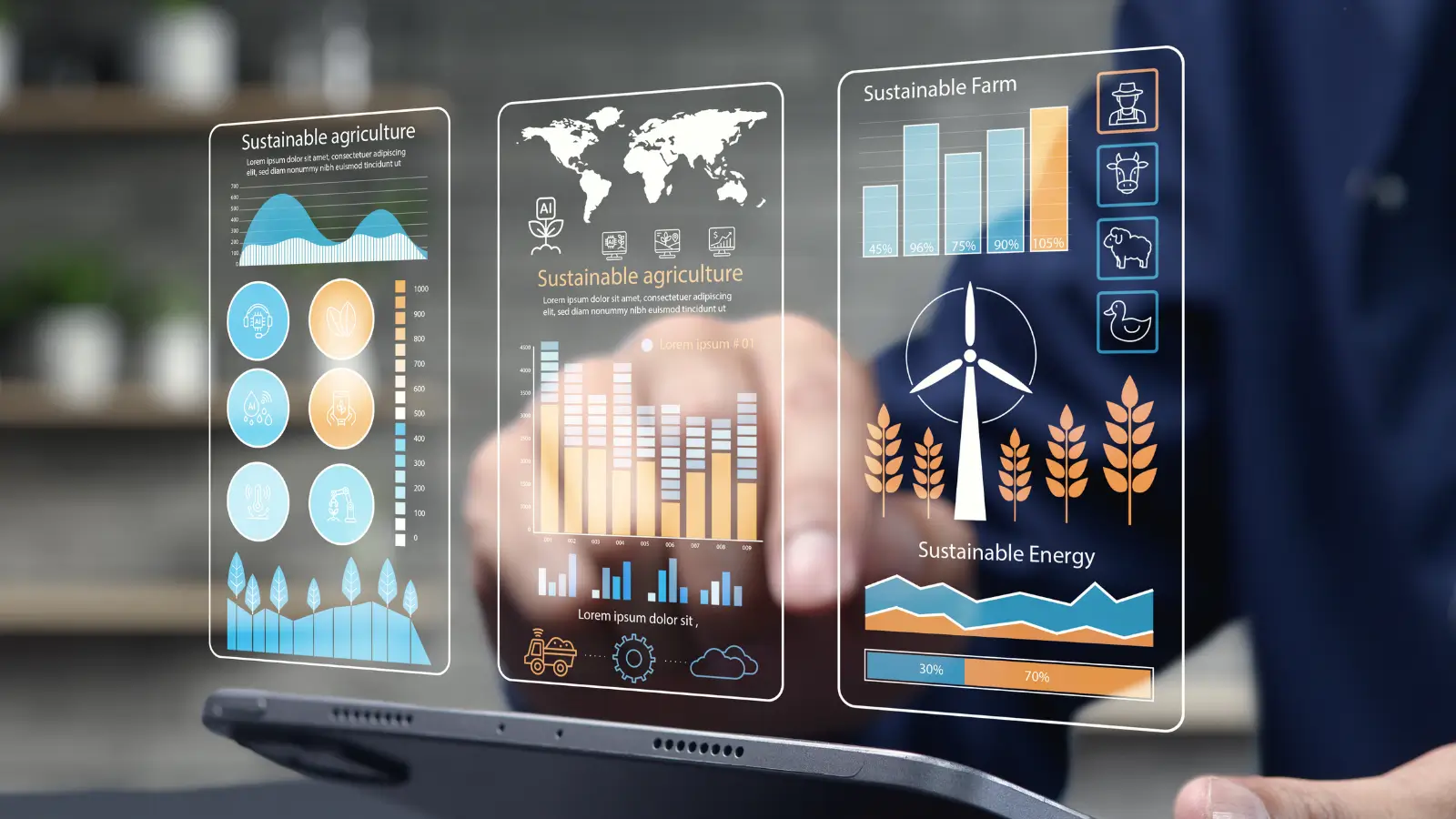
Key Takeaways
AI-powered systems are transforming agriculture, from grain quality inspection to supply chain optimization, reducing manual testing time from 30 minutes to 3 seconds.
The European precision agriculture market is projected to grow from $4.5 billion in 2025 to $22 billion by 2034, driven by rising input costs and sustainability pressures.
Smart irrigation systems reduce water usage by 25-30%, while precision agriculture improves fertilizer placement efficiency by 7% and reduces pesticide use by 9%.
Regional innovation hubs are emerging across Europe: Northern Europe leads in digital infrastructure, Central Europe in AI optimization, Southern Europe in climate adaptation, and Eastern Europe in practical AgTech solutions.
Blockchain traceability and IoT sensors are becoming essential tools for supply chain transparency and quality control, with over 3,000 Swedish farmers using data-sharing platforms.
Innovation in agriculture industry is reshaping European farming through artificial intelligence, precision agriculture, and smart farming technology. According to European market research projections, the precision agriculture market is expected to grow from $4.5 billion in 2025 to $22 billion by 2034, driven by rising input costs, sustainability pressures, and the urgent need for more efficient farming practices.
Key Innovations Transforming European Agriculture
1. AI-Powered Quality Control and Inspection

Artificial intelligence is revolutionizing agricultural quality control, particularly in post-harvest operations. AI-powered systems can analyze grain samples, detect defects, and grade products with unprecedented speed and accuracy.
For example, GrainODM, developed in the Baltics, uses high-resolution imaging and edge AI to analyze grain samples in about 3 seconds with 99.8% accuracy, compared to 30 minutes for manual testing. This solution allows grain handlers to instantly grade incoming batches and make objective, data-backed quality decisions. Other AI systems analyze historical and real-time data including weather patterns, satellite imagery, and market prices to predict crop yields and optimize supply chain logistics. This data-driven approach extends to quality control, where automated grain purity testing ensures consistent standards across the supply chain.
2. Precision Agriculture and Variable Rate Technology
Precision agriculture enables farmers to apply inputs like fertilizers, seeds, and pesticides precisely where needed, reducing waste and improving yields. GPS-guided equipment, IoT sensors, and satellite imagery work together to create site-specific management plans.
According to Danish agricultural statistics from SEGES Innovation, adoption of satellite-guided fertilization grew from 12% in 2020 to 30% by 2023. The country now manages 1.5 million of its 2.6 million farmed hectares with digital platforms that integrate seamlessly with machinery and cloud services. EU-wide precision agriculture studies show this approach delivers measurable results: 4% higher crop production, 7% better fertilizer placement efficiency, 9% reduction in pesticide use, and 4% less water consumption.
3. Smart Irrigation and Water Management
According to climate research from the European Environment Agency, Mediterranean areas are warming 20% faster than the global average, making smart irrigation systems essential for climate adaptation. IoT-driven irrigation platforms monitor soil moisture and weather forecasts in real time, applying water precisely when and where crops need it.
In arid regions like Andalusia, Spain, field trials with sensor-based irrigation platforms have reduced water usage by 25% without sacrificing yields. EU Common Agricultural Policy studies show that fine-tuned irrigation schedules and early pest detection have cut average water usage by up to 30% and decreased pesticide use by 20% in some operations.
4. IoT Sensors and Real-Time Monitoring
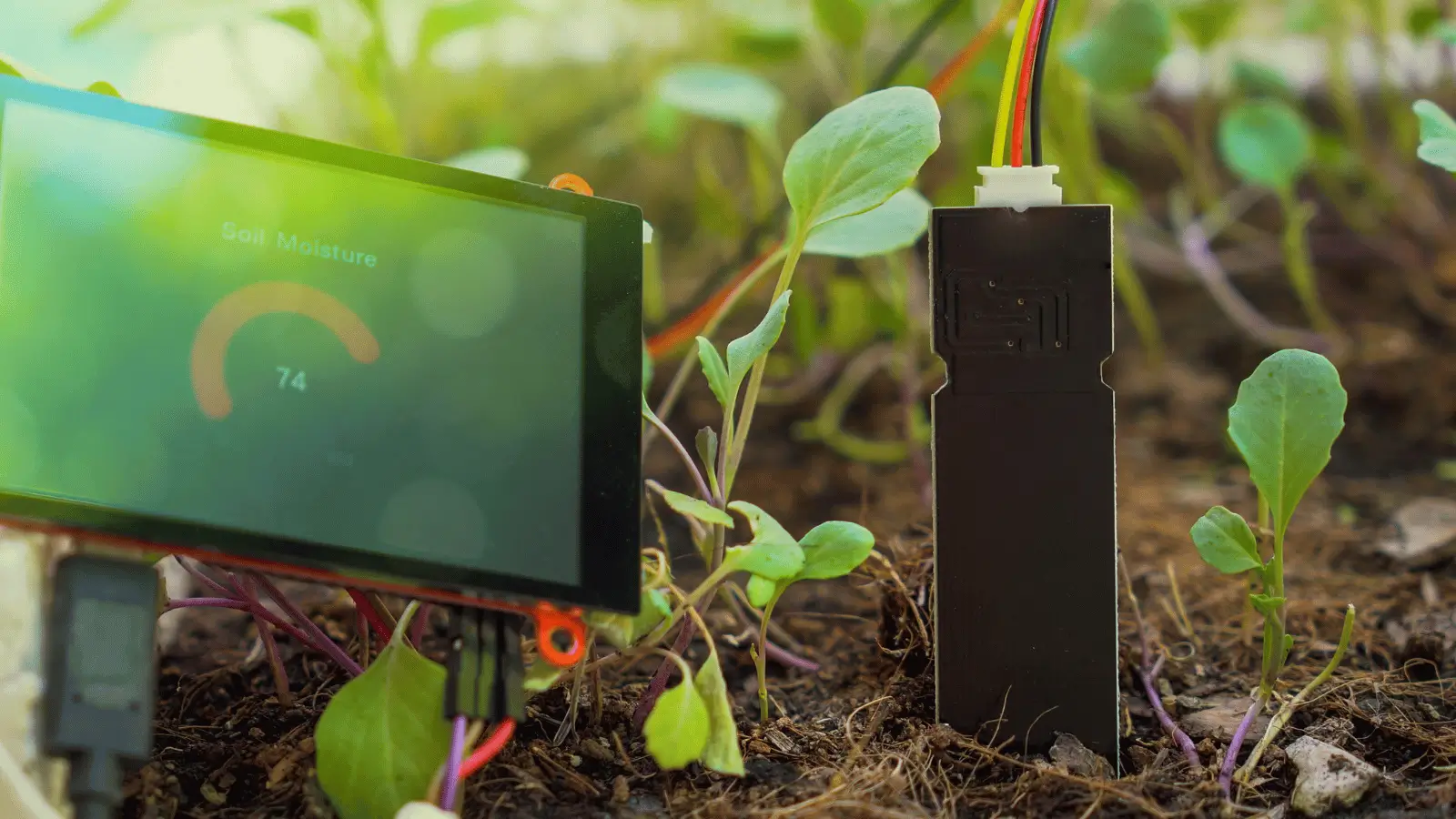
Internet of Things sensors provide continuous monitoring of crop health, soil conditions, and storage environments. These sensors enable real-time decision-making and early problem detection.
Romania’s Topzone develops smart silo systems with IoT sensors that monitor grain storage conditions in real time. Wireless sensors inside silo cells detect dangerous temperature increases and send instant alerts via digital platforms, helping operators prevent spoilage and losses. The solution is modular and easy to retrofit to existing silos, demonstrating how traditional infrastructure can be upgraded with modern technology.
5. Blockchain Traceability and Supply Chain Transparency
Blockchain technology creates transparent, verifiable supply chains from farm to fork. This innovation addresses growing consumer and regulatory demands for proof of origin and sustainable practices.
According to the Swedish Board of Agriculture, the Agronod platform connects over 3,000 farmers for secure data sharing as of 2025, while Ukraine’s Agroxy uses blockchain to facilitate secure domestic and cross-border trade of agricultural commodities. France’s Carrefour and other retailers have launched blockchain-based tracking initiatives for products like milk and chicken, ensuring each step of the value chain is recorded and verifiable.
6. Agricultural Robotics and Automation
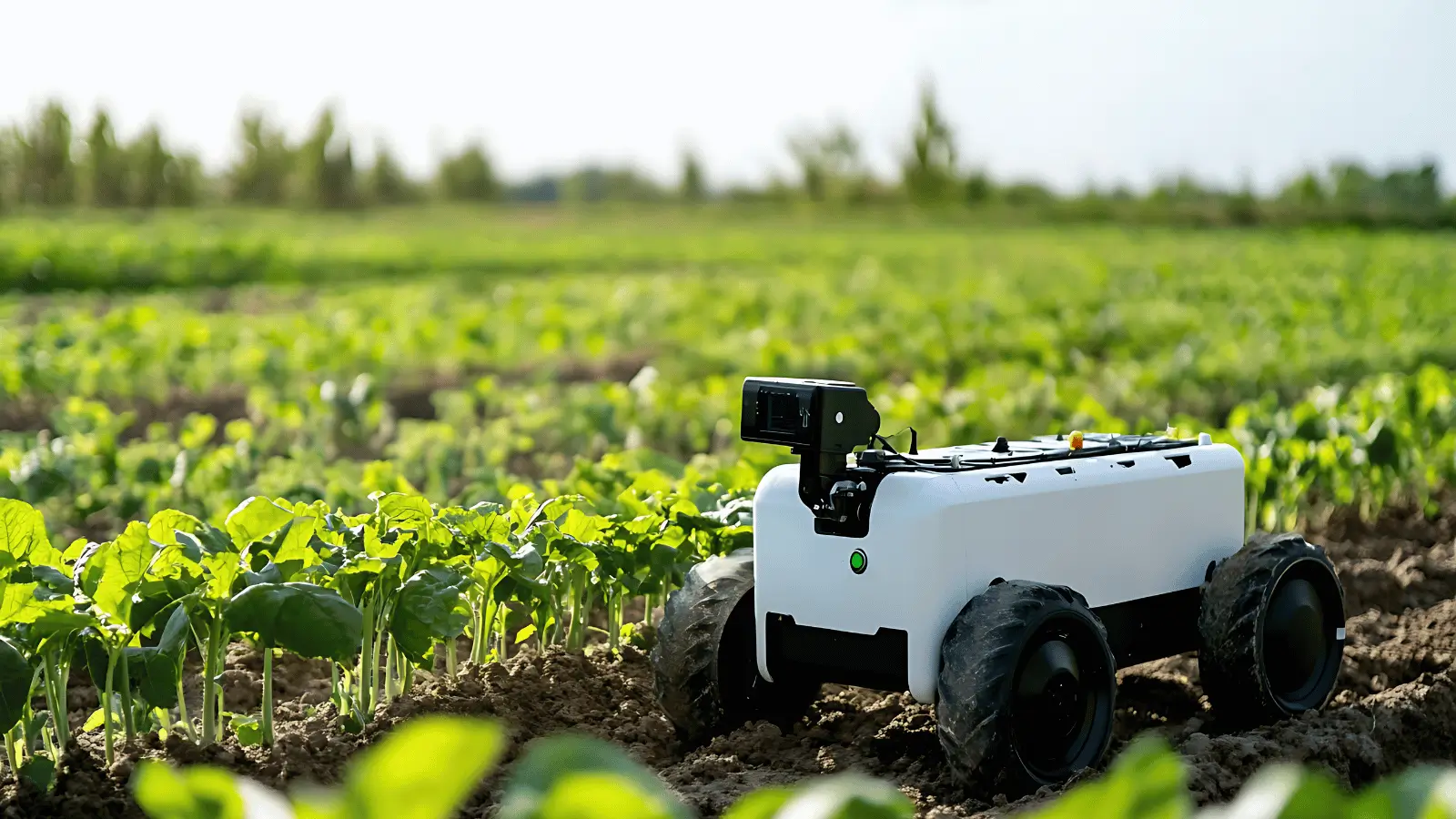
Agricultural robotics address labor shortages while improving precision and consistency. Automated systems perform tasks ranging from planting and harvesting to quality inspection.
According to industry analysis, Germany ranks among global leaders in agricultural robotics innovation, with automated milking systems, drone surveillance, and autonomous field robots becoming increasingly common. German Federal Ministry of Food and Agriculture statistics show that by 2025, an estimated 85.5% of German farmers use some form of digital technology on their farms. This automation frees human workers for higher-value activities while operating 24/7 with consistent precision.
7. Data Sharing Platforms and Digital Infrastructure
Collaborative data platforms enable farmers to share information securely while maintaining control over their data. These platforms accelerate innovation and reduce administrative burdens.
Sweden’s Agronod, backed by a SEK 120 million investment from the Swedish Board of Agriculture via EU rural development funds, is a neutral data hub co-owned by farmer cooperatives, agribusiness firms, and research institutions. The platform powers tools like farm-level climate footprint calculators, demonstrating how data sharing drives both business efficiency and environmental progress.
Regional Innovation Hubs Across Europe
Northern Europe: Digital Infrastructure Leaders
Northern Europe leads in agricultural digitalization, with Denmark, Sweden, and Finland consistently topping EU digitalization rankings. According to SEGES Innovation reports, Denmark’s agritech hub shows that demand for digital farm solutions is rising sharply, with revenues growing approximately 10% annually. The region excels in traceability and data collaboration, creating transparent supply chains that benefit all stakeholders.
Central Europe: AI-Optimized Supply Chains
Central European countries combine large-scale production with strong R&D capabilities. Germany, France, and the Netherlands leverage AI to optimize supply chain logistics, forecasting, and risk management. According to the French Ministry of Agriculture, France launched a €500 million program in 2023 to advance smart farming, while Germany’s Digital Farming 2030 plan offers subsidies for IoT sensors and autonomous machinery. EU agricultural statistics from Eurostat show that nearly 45% of all EU farmers were using digital tools by 2023, a figure expected to reach 60% by 2026.
Southern Europe: Climate Adaptation Pioneers
Southern Europe faces unique challenges from warming climates and water scarcity, driving innovation in smart irrigation and regenerative agriculture. According to EIT Food, the LILAS4SOILS project establishes living labs across Spain, Italy, Greece, and Portugal to test drought-tolerant crop varieties, no-till farming, and cover cropping. Project reports show early results with improved soil carbon, water retention, and farm resilience to heat stress.
Eastern Europe: Emerging AgTech Solutions
Eastern Europe is rapidly emerging as an AgTech hub with homegrown solutions addressing local needs. Beyond GrainODM’s AI grain inspection, startups like Croatia’s Agrivi offer farm management platforms, Serbia’s Agremo provides AI-based crop health analysis, and Hungary’s Quantis Labs focuses on microclimate monitoring for vineyards. These innovations demonstrate how the region can compete globally with practical, cost-effective solutions.
The Path Forward: Integrated Agricultural Ecosystems
The future of innovation in agriculture industry points toward fully integrated, autonomous farming ecosystems combining AI, IoT, and automation. Key trends include increased focus on water management, personalized solutions for different farm sizes, blockchain-based traceability, and continued growth in precision agriculture adoption.
For B2B stakeholders, from crop silo operators and commodity traders to agri-tech providers, these innovations offer strategic opportunities. Investing in precision agriculture platforms and AI quality analyzers delivers proven returns in improved yields and quality control. Building robust digital infrastructure, including data hubs, IoT networks, and rural broadband, is essential to support these tools and ensure inclusivity for farms of all sizes.
Europe’s experience underscores the value of collaboration and public-private partnerships in driving meaningful innovation. Many advancements, from Sweden’s Agronod data platform to GrainODM’s AI grain inspection, which won AI Innovation of the Year 2025, were made possible by alliances between government bodies, research institutions, corporations, and the farming community.
As the European precision agriculture market grows toward $22 billion by 2034, the opportunities for those ready to innovate are vast and growing. Innovation in agriculture industry is not just about adopting new technologies; it’s about fundamentally reimagining how we produce, process, and distribute food in a way that is economically viable, environmentally sustainable, and socially responsible.
Frequently Asked Questions
Agricultural innovation includes new technologies, practices, and systems that improve productivity, sustainability, and resilience in farming. It encompasses precision agriculture, biotechnology, digital farming platforms, and sustainable methods. Innovation is essential for feeding a global population projected to reach 9.7 billion by 2050, enabling farmers to produce more food with fewer resources while adapting to climate change.
ROI varies by solution type, but studies show significant returns. Precision agriculture typically delivers 10-15% yield increases and 15-20% cost reductions. Smart irrigation systems reduce water usage by 25-30% while maintaining yields. Farmers investing in digital farming solutions report average payback periods of 2-3 years, with larger operations seeing faster returns.
Nearly 45% of EU farmers used digital tools by 2023, with adoption expected to reach 60% by 2026. Northern European countries lead: Denmark manages 1.5 million hectares with digital platforms, while Sweden's Agronod connects over 3,000 farmers. Germany reports 85.5% of farmers using digital technology by 2025. Southern and Eastern Europe are catching up, driven by climate adaptation needs and EU funding programs.
Agricultural innovation reduces environmental impact through precision input application and resource optimization. Precision agriculture reduces fertilizer use by 7%, pesticide application by 9%, and water consumption by 4% while increasing crop production by 4%. Smart irrigation reduces water usage by 25-30% in arid regions. These innovations are critical for meeting EU Green Deal targets, including 30% reduction in agricultural greenhouse gas emissions by 2030.
The European precision agriculture market is projected to grow from $4.5 billion in 2025 to $22 billion by 2034, representing approximately 18% annual growth. Key drivers include rising input costs, sustainability regulations, climate change pressures, and labor shortages. Investment flows into AI-powered solutions, IoT sensor networks, autonomous machinery, and digital farming platforms. The future points toward fully integrated, autonomous farming ecosystems.
The New Standard in Grain Purity Analysis
Data, not guesswork. Learn how GrainODM sets a new benchmark for digital grain inspection.