


Key Takeaways
AI vision systems detect Fusarium-damaged kernels in seconds with 99.8% accuracy, providing objective quality assessment for grain handlers.
Fusarium fungi cause head blight disease in cereals, producing toxic mycotoxins like DON that affect 47% of European wheat and 64% of feed grain samples.
Economic losses from Fusarium contamination totaled €3 billion in Europe from 2010-2019, with yield losses reaching 40-50% during epidemic years.
Crop vulnerability varies: wheat/maize most susceptible to DON/ZEA, oats to T-2/HT-2 toxins (70% contamination rate), barley affected by multiple species.
Climate change is shifting F. graminearum northward at 2× global warming rate, increasing multi-mycotoxin contamination risks across Central/Northern Europe.
Integrated management combining resistant varieties, crop rotation, fungicides, and AI detection reduces contamination by up to 47% in field trials.
Fusarium contamination represents one of the most persistent and economically significant challenges facing European grain production. Understanding how Fusarium affects different crops, regional contamination patterns, and modern detection technologies is essential for grain handlers, processors, and quality managers.
What is Fusarium?
Fusarium is a genus of soil-borne fungi that cause Fusarium Head Blight (FHB)—also called scab—in cereal crops. These fungi infect wheat, barley, maize, oats, and rye during flowering, producing toxic compounds called mycotoxins that contaminate harvested grain.
- Primary Impact: Reduces yields by 10-50% and produces health-threatening mycotoxins (DON, ZEA, T-2/HT-2)
- Economic Scale: €3 billion in losses across Europe from 2010-2019
- Affected Crops: All major cereals—wheat, barley, maize, oats, rye
- Key Concern: 47% of European wheat samples and 70% of oats contain detectable mycotoxins
Why Fusarium Contamination Matters for European Grain Handlers
Every harvest season, grain elevators, processors, and trading companies across Europe face a silent threat that can turn profitable shipments into costly downgrades: Fusarium contamination.
The numbers tell a stark story. From 2010 to 2019, Fusarium mycotoxins caused €3 billion in economic losses across European grain markets. But the impact extends far beyond financial metrics—14% of European adults currently exceed safe exposure levels for DON (deoxynivalenol), the most common Fusarium toxin.
For grain handlers and quality managers, understanding Fusarium contamination is essential for protecting both business margins and consumer safety. This comprehensive guide examines the biology, crop-specific contamination patterns, regulatory landscape, climate-driven risk shifts, and modern detection technologies—including AI-powered systems—that are transforming grain quality control.
In this article, you’ll learn:
- How different Fusarium species affect wheat, barley, maize, oats, and rye
- Data-driven contamination patterns across European regions and crops
- EU mycotoxin regulations and the challenges of compliance
- Climate change impacts on future contamination risks
- How AI vision technology detects Fusarium damage in seconds
Understanding Fusarium Biology and Disease Mechanism
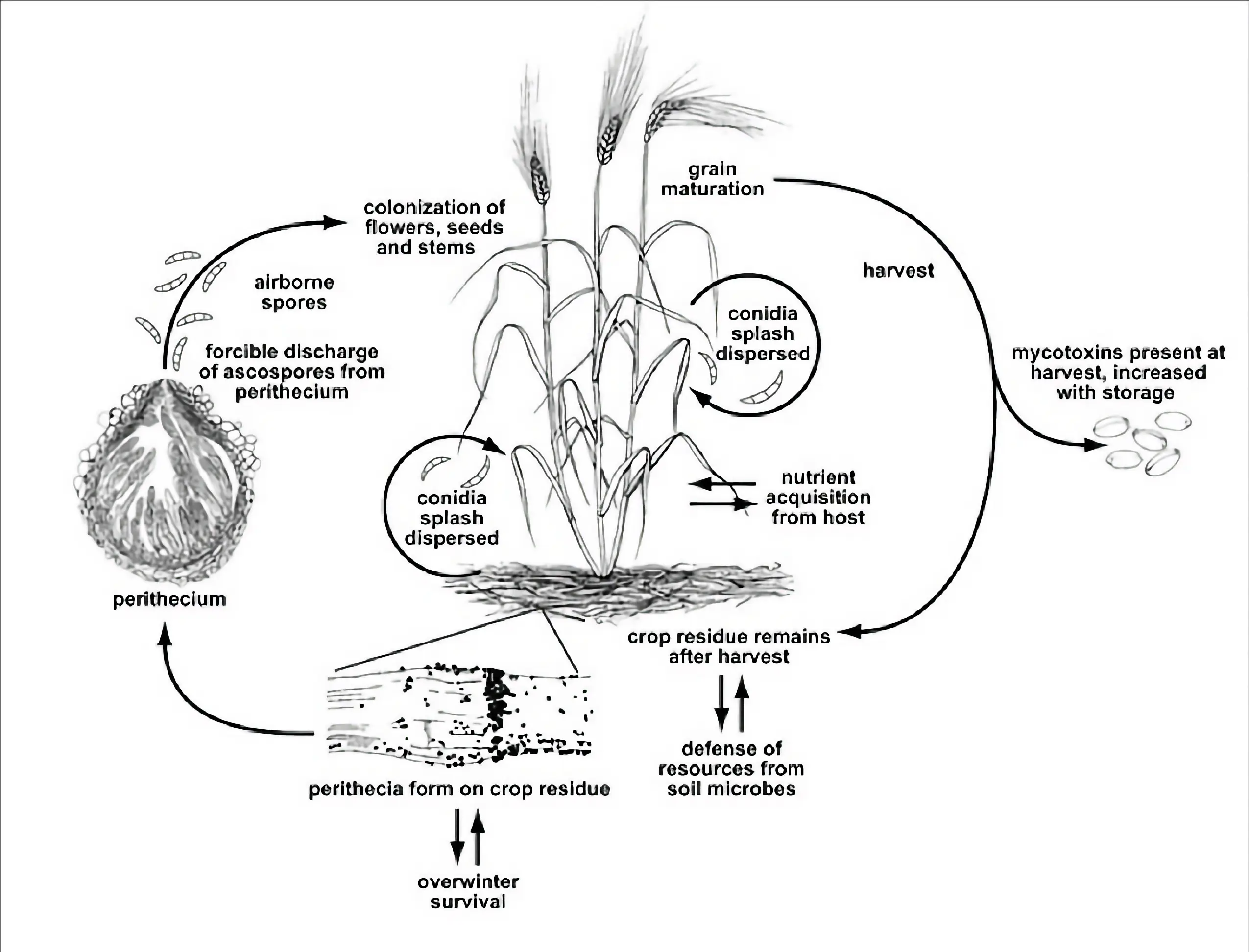
Fusarium Head Blight (FHB) represents one of the most economically damaging diseases in cereal production. The disease cycle begins when Fusarium spores, produced on infected crop residue from previous seasons, are dispersed by wind and rain splash during the flowering (anthesis) stage of cereals.
Infection Process
Infection occurs when environmental conditions align: temperatures of 20-30°C combined with high relative humidity (>90%) for 24-48 hours create ideal conditions for spore germination and fungal penetration of grain heads.
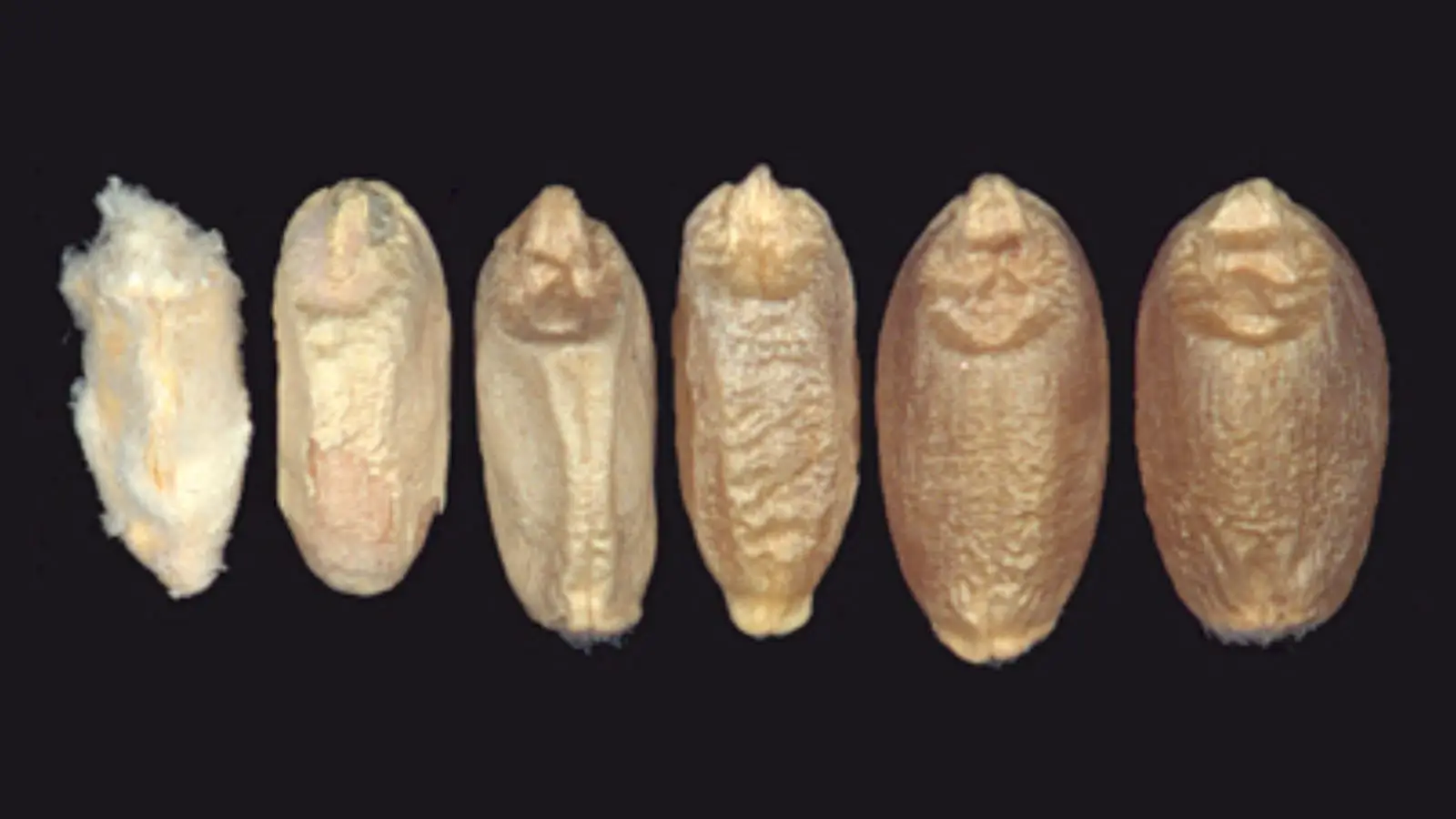
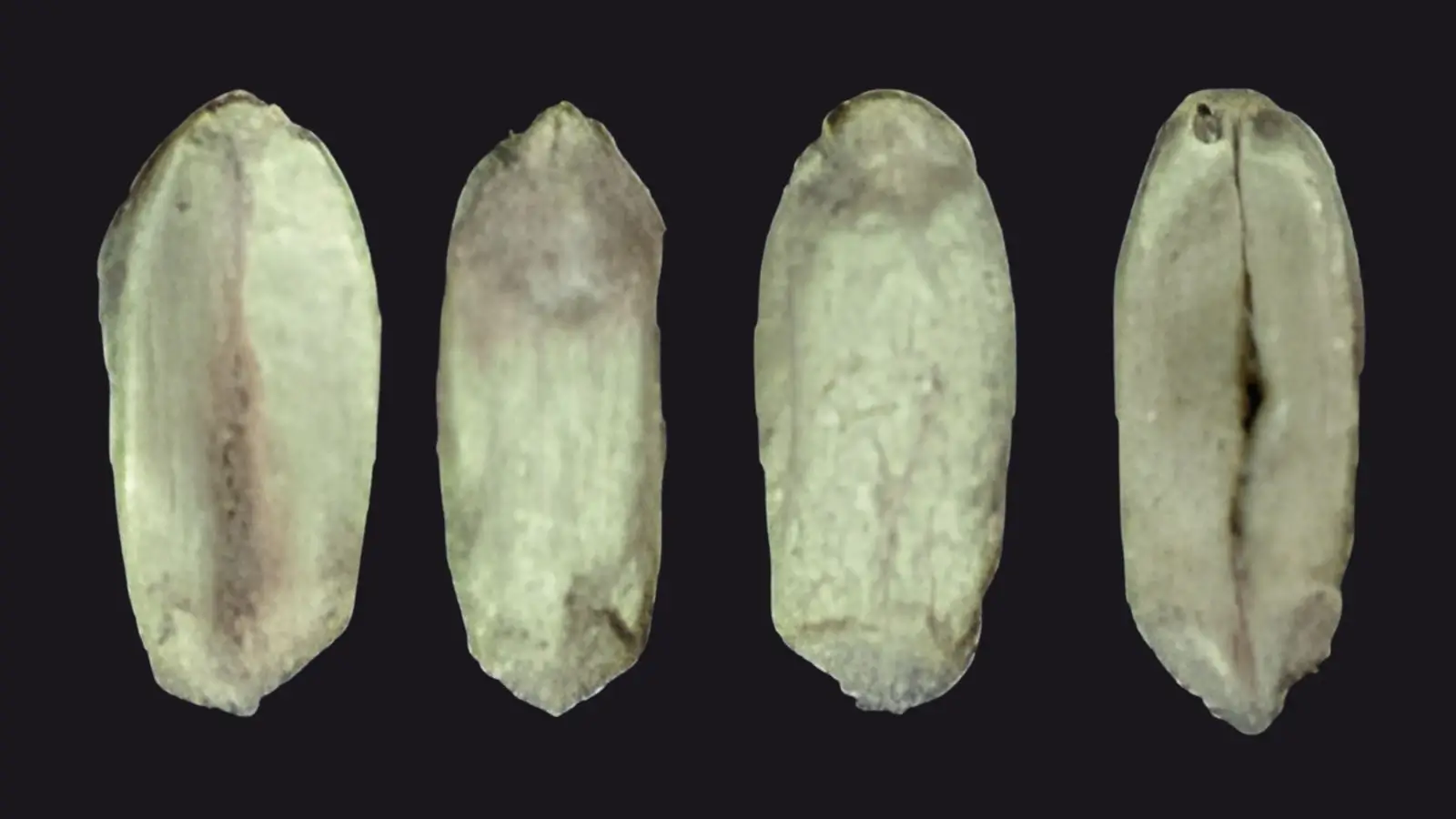
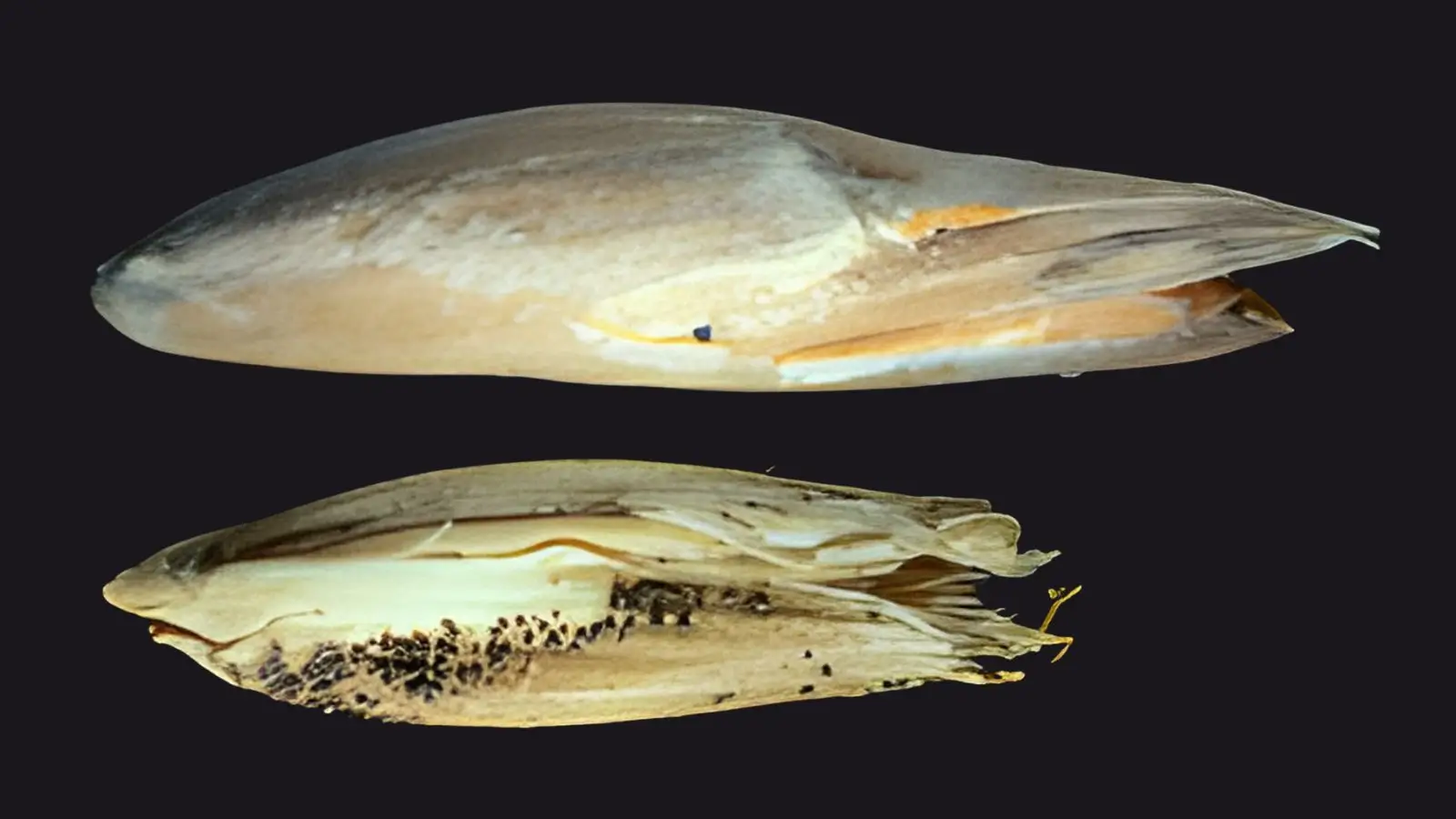
Once established, the fungus spreads within the spike, causing premature bleaching of infected spikelets. Severely affected grains become shriveled and lightweight—referred to as “tombstone kernels” in the industry. In visible infections, pink or orange spore masses (sporodochia) appear on grain surfaces and glumes.
Key Fusarium Species and Their Mycotoxin Profiles
Europe’s Fusarium problem involves multiple species, each adapted to specific climatic zones and producing distinct mycotoxin profiles:
F. graminearum (teleomorph: Gibberella zeae)
The primary threat in wheat, maize, and barley production. Produces DON (deoxynivalenol), ZEA (zearalenone), and NIV (nivalenol). Dominant in Central and Southern Europe, but genomic studies confirm its northward expansion. Reproduces sexually via perithecia, creating genetic diversity that accelerates adaptation.
F. culmorum
Produces similar toxins to F. graminearum (DON, ZEA) but thrives in cooler climates. Relies on asexual conidia for reproduction. Historically dominant in Northern Europe, though its ecological niche is being compressed by F. graminearum migration.
F. langsethiae
The primary producer of Type A trichothecenes (T-2 and HT-2 toxins) in oats. Highly adapted to cold climates, particularly prevalent in the UK, Scandinavia, and Switzerland. Represents the greatest mycotoxin challenge for oat producers.
F. sporotrichioides
Another T-2/HT-2 producer with unique cold-adapted characteristics. Can produce toxins at temperatures as low as 6-12°C, making it capable of toxin formation during winter storage or in field conditions during late autumn.
F. poae and F. avenaceum
Secondary contributors to the Fusarium complex, particularly in mixed infections. F. poae can produce NIV and other trichothecenes, while F. avenaceum produces moniliformin and enniatins.
Geographic Distribution and the Shifting North-South Gradient
Traditionally, European Fusarium distribution followed a clear latitudinal pattern: warm-adapted DON/ZEA producers (F. graminearum) dominated in southern regions below 47°N, while cold-adapted T-2/HT-2 producers (F. langsethiae, F. sporotrichioides) prevailed in northern zones above 54°N.
However, this gradient is collapsing. Population genomics studies have identified two distinct F. graminearum populations—East European and West European—that have colonized European wheat over the past two decades, with confirmed northward migration into previously low-risk regions.
This ecological compression means regions must now prepare for overlapping risk profiles: northern zones historically focused solely on T-2/HT-2 must integrate DON/ZEA monitoring, while all regions face increased multi-mycotoxin contamination.
Crop-Specific Contamination Patterns Across European Cereals
Understanding how Fusarium affects different crops is essential for targeted quality control. Each cereal shows distinct vulnerability patterns based on growing conditions, regional climate, and predominant Fusarium species.
Wheat: The Primary DON Challenge
Wheat remains the most extensively monitored cereal for Fusarium contamination, with comprehensive data revealing persistent challenges across Europe.
Contamination Statistics (2010-2019 EFSA & BIOMIN data):
- 47% of food wheat samples contain detectable DON levels
- 64% of feed wheat samples show DON contamination
- 25% of food wheat exhibits multi-mycotoxin co-contamination (DON + ZEA, fumonisins, or T-2)
- 45% of feed wheat shows complex contamination patterns
Geographic Variation:
Occurrence rates and concentration levels vary dramatically by region, reflecting different climatic patterns and Fusarium species composition.
| Country | DON Occurrence (%) | Mean Level (µg/kg) | Co-Contamination (%) | Trend |
|---|---|---|---|---|
| Sweden | 93 | ~300 | ~25 | Decreasing |
| UK | 69 | 312 | ~25 | Variable |
| Denmark | 69 | ~280 | ~20 | Stable |
| Finland | ~55 | ~250 | ~20 | Decreasing |
| Germany | ~60 | ~450 | ~28 | Variable |
| Netherlands | ~58 | 670 | ~30 | Increasing |
| Austria | ~62 | ~400 | ~27 | Decreasing |
| Hungary | ~50 | 722 | ~30 | Variable |
| Poland | ~54 | ~500 | ~32 | Increasing |
| France | ~60 | 1,393 (feed) | 45 (feed) | Increasing |
| Romania | ~50 | 1,279 | ~25 | Increasing |
Data source: EFSA and BIOMIN mycotoxin surveys, 2010-2019. Higher occurrence rates in northern countries reflect better monitoring; higher concentrations in central/southern regions reflect warmer, more humid conditions favoring F. graminearum.
Key Insights:
- Northern countries show higher detection rates (Sweden 93%) due to robust monitoring, but lower absolute concentrations
- Central and southern regions exhibit higher mean contamination levels (Hungary 722 µg/kg, Romania 1,279 µg/kg)
- Lower-latitude countries (<47°N) show increasing trends: France +362 µg/kg/year, Romania +148 µg/kg/year
- Higher-latitude countries show stable or decreasing trends: Finland -118 µg/kg/year, Austria -258 µg/kg/year
- This pattern reflects F. graminearum’s northward expansion and climate-driven epidemic shifts
Maize: Multi-Mycotoxin Complexity
Maize presents unique challenges due to its susceptibility to multiple Fusarium species and high water activity requirements that favor fungal growth.
Contamination Profile:
- Critical vulnerability to both DON and fumonisin co-contamination from F. graminearum and F. verticillioides
- Water activity of 0.90 creates optimal conditions for rapid mycotoxin production
- Southern Europe shows highest historical risk, but warming climate expands contamination zones northward
- Feed maize particularly affected, with implications for livestock health and dairy quality
Climate Impact: Modeling projections indicate maize mycotoxin contamination will intensify under all warming scenarios (+2°C to +5°C by 2100), with aflatoxin risks emerging in southern regions and Fusarium toxins spreading to central European maize production areas.
Oats: The T-2/HT-2 Hotspot
Oats represent the most consistently contaminated cereal for Type A trichothecenes, driven by F. langsethiae prevalence in northern growing regions.
Contamination Statistics (2020-2022):
- 70% of European oat samples contain detectable T-2 and/or HT-2 toxins
- Mean concentration in positive samples: 101.7 µg/kg (above LOQ)
- Geographic concentration: UK, Sweden, Norway, Switzerland, Finland show highest rates
- Regulatory challenge: EU maximum level for unprocessed oats is 1,250 µg/kg despite extremely low TDI (0.06 µg/kg body weight/day)
The Oat Paradox: The massive gap between the toxicological safety threshold and the regulatory maximum level reflects practical reality: setting the ML closer to the TDI would render 70% of European oat harvest non-compliant, causing severe supply chain disruption. This underscores the critical need for improved agronomic management and enhanced processing controls for oat-based consumer products, particularly baby foods.
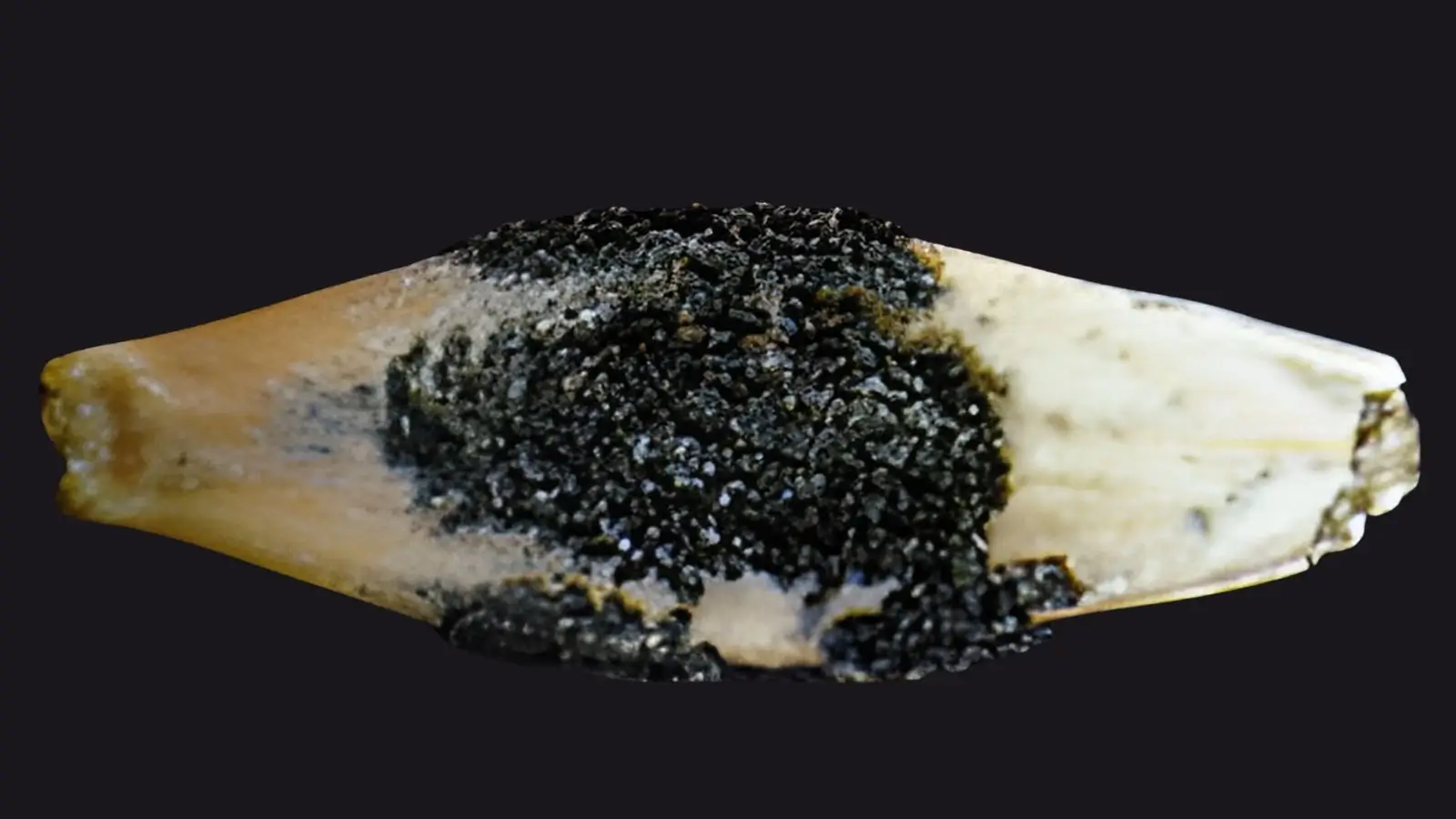
Barley: Mixed Contamination Profiles
Barley shows vulnerability to multiple Fusarium species depending on region and growing conditions.
Contamination Patterns:
- Mixed mycotoxin profiles: Both DON (from F. graminearum/F. culmorum) and T-2/HT-2 (from F. langsethiae) detected
- Malting barley faces specific quality concerns, as Fusarium contamination affects germination and enzyme activity
- Geographic variation: F. langsethiae found in Italian malting barley; F. graminearum dominant in central European production
- Quality impact: Even moderate contamination significantly affects brewing quality and malt specifications
Rye: The Understudied Cereal
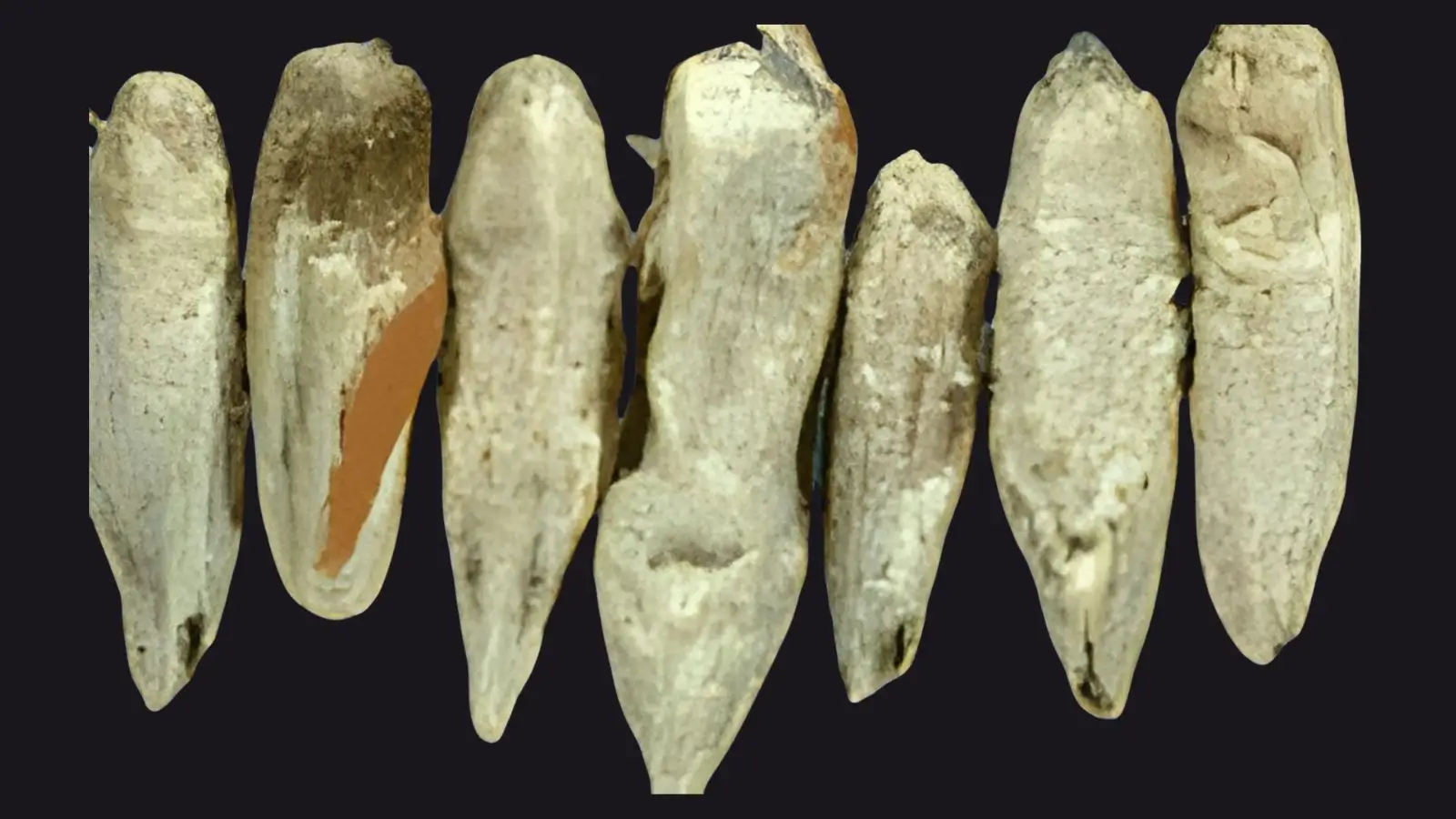
Rye contamination remains less documented than other cereals, but available data indicates significant vulnerability.
Key Findings:
- T-2/HT-2 detection across Northern and Eastern European samples
- Cultivation zones overlap with high-risk Fusarium regions
- Multiple species susceptibility: Vulnerable to both F. graminearum and cold-adapted species
- Limited monitoring data suggests need for enhanced surveillance programs
Mycotoxin Types, Health Risks, and EU Regulatory Framework
Understanding the specific mycotoxins produced by Fusarium species is essential for compliance and risk management. Each toxin class presents distinct health concerns and regulatory challenges.
Deoxynivalenol (DON) — “Vomitoxin”
Toxicology:
DON disrupts protein synthesis, affecting rapidly dividing cells in the gastrointestinal tract and immune system. Acute exposure causes vomiting, diarrhea, and abdominal pain. Chronic exposure suppresses immune function and impairs nutrient absorption.
Human Exposure Data:
EFSA’s HBM4EU biomonitoring study (2017-2022) found that 14% of European adults exceed health-concern thresholds (urinary DON metabolites >23 µg/L), with highest rates in Poland and lowest in Germany and Iceland.
EU Regulations:
- TDI (Tolerable Daily Intake): 1.0 µg/kg body weight/day
- Maximum Level in unprocessed wheat: 1,000 µg/kg (reduced from 1,250 µg/kg in recent revisions)
- Maximum Level in processed cereals: 600 µg/kg
- Maximum Level in baby food: 200 µg/kg
Compliance Challenge:
Approximately 5% of food wheat samples exceed the ML, rising to 10.7% during epidemic years like 2012. Chronic dietary exposure consistently exceeds TDI in infants, toddlers, and children aged 3-10.
Zearalenone (ZEA) — Endocrine Disruptor
Toxicology:
ZEA and its metabolites mimic estrogen, binding to estrogen receptors and disrupting reproductive function. Effects include precocious puberty in children, reduced fertility, and pregnancy complications.
Exposure Assessment:
Mean European adult exposure is estimated at 0.035 µg/kg bw/day, below the TDI but with regional variation showing southern Europe at higher risk due to maize consumption patterns.
EU Regulations:
- TDI: 0.2 µg/kg body weight/day (temporary)
- Maximum Level in unprocessed wheat/maize: Varies by crop (100-350 µg/kg)
- Maximum Level in baby food: 20 µg/kg
T-2 and HT-2 Toxins — Type A Trichothecenes
Toxicology:
The most acutely toxic Fusarium mycotoxins, causing severe cytotoxicity, immunosuppression, hematological effects, and skin lesions. HT-2 is the de-acetylated metabolite of T-2, with similar toxic properties.
The Regulatory Paradox:
- Combined TDI: 0.06 µg/kg body weight/day (exceptionally low)
- ML for unprocessed oats: 1,250 µg/kg
- ML for other unprocessed grains: 50-100 µg/kg
This massive gap exists because 70% of European oat samples contain T-2/HT-2. Setting the ML near the TDI would eliminate most oat production. The EU manages this risk through:
- Strict MLs for processed products (baby food: 15 µg/kg)
- Mandatory processing steps that reduce toxin levels
- Enhanced monitoring of sensitive consumer products
Exposure Modeling:
Probabilistic daily intake models show T-2/HT-2 exposure at 0.169 µg/kg bw/day in high consumers, exceeding the TDI by 2.8× and indicating significant risk particularly in oat-consuming regions.
Modified and Masked Mycotoxins
Plants metabolically modify mycotoxins as a defense mechanism, creating glucosides and other conjugated forms. These “masked mycotoxins” escape standard analytical detection but can be cleaved during digestion, releasing the parent toxin and contributing to total toxic load.
EFSA has issued specific opinions on modified mycotoxins, requiring their consideration in total exposure assessments, though analytical methods remain challenging for routine monitoring.
| Mycotoxin | TDI (µg/kg bw/day) | Unprocessed Wheat ML | Unprocessed Oats ML | Unprocessed Maize ML | Primary Health Risk |
|---|---|---|---|---|---|
| DON (Deoxynivalenol) | 1.0 | 1,000 µg/kg | 1,750 µg/kg | 1,750 µg/kg | Gastrointestinal, Immunosuppression |
| ZEA (Zearalenone) | 0.2 (temp.) | 100 µg/kg | 100 µg/kg | 350 µg/kg | Endocrine Disruption, Reproductive |
| T-2/HT-2 (Sum) | 0.06 (combined) | 50 µg/kg | 1,250 µg/kg | 100 µg/kg | Cytotoxicity, Severe Immunosuppression |
EU Maximum Levels (MLs) per Commission Regulation (EC) No 1881/2006 and amendments. Note the exceptional gap between T-2/HT-2 TDI and oats ML, reflecting the regulatory challenge of widespread contamination versus toxicological safety.
Key Insight for Grain Handlers:
Compliance requires understanding both raw commodity MLs and processing chain responsibilities. Products destined for infant/toddler consumption require enhanced quality control, as these populations show consistent TDI exceedances for DON.
Economic Impact: Quantifying the Cost of Fusarium Across Crops
Fusarium contamination creates cascading economic effects throughout the grain value chain—from yield loss in the field to quality downgrading at delivery to trade restrictions and testing costs.
Decade of Data: €3 Billion in Wheat Downgrades
Analysis of European wheat markets from 2010-2019 reveals the sustained economic burden of DON contamination:
- 75 million tonnes of wheat downgraded due to exceeding DON limits
- €3 billion total economic loss from quality penalties and rejected shipments
- Peak impact in 2012: 10.7% of samples exceeded limits during widespread UK/Northern Europe epidemics
- Average annual exceedance: 5% of food wheat samples
Yield Losses: Epidemic Impact
Beyond quality downgrading, FHB directly reduces yields through kernel damage and premature spike death:
- Historical epidemic losses: 40-50% yield reductions in Romania and Hungary (1970s-1980s outbreaks)
- Modern epidemic impact: Germany and Austria face 70% and 60% of arable land at risk during epidemic years
- Hungarian baseline: Five-year mean wheat yields of 5.59 t/ha with 7% coefficient of variation partially attributed to FHB pressure
- Global context: FHB and other wheat pests cause 21.5% economic yield loss worldwide
Quality vs. Quantity:
In European markets, quality downgrading costs often exceed total crop loss frequency. A wheat shipment can be physically intact but economically devalued by 30-50% if mycotoxin levels exceed feed grade thresholds or require costly blending to meet food specifications.
| Year | % Exceeding DON Limit | Downgraded Tonnes (M) | Economic Cost (€M) | Key Notes |
|---|---|---|---|---|
| 2010 | ~4 | ~6 | ~250 | Stable year, moderate conditions |
| 2011 | ~5 | ~7 | ~280 | Slightly elevated, regional variation |
| 2012 | 10.7% | ~15 | ~800 | EPIDEMIC YEAR - UK, Northern Europe |
| 2013 | ~6 | ~8 | ~320 | Post-epidemic elevated baseline |
| 2014 | ~4.5 | ~7 | ~290 | Return to baseline |
| 2015 | ~5 | ~8 | ~700 | High food-feed price differential amplified costs |
| 2016 | ~4.8 | ~7.5 | ~310 | Moderate, mixed regional impacts |
| 2017 | ~5.2 | ~8 | ~330 | Central Europe pressure increasing |
| 2018 | ~4.5 | ~7 | ~280 | Drought reduced FHB but lowered yields |
| 2019 | ~6 | ~9 | ~400 | Romania peak, Southern Europe surge |
| TOTAL (2010-2019) | ~5% avg | ~75 M | ~3,000 M | Cumulative economic impact |
Economic impact of DON contamination in European wheat markets, 2010-2019. Data from EFSA monitoring reports and economic modeling. Costs reflect quality downgrading penalties, rejected shipments, and market disruptions. Does not include testing, insurance, or fungicide application costs.
Hidden Costs Beyond Direct Losses
The €3 billion figure captures only direct downgrading costs. Additional economic burdens include:
- Testing and sampling: Increased analytical requirements for all grain handlers
- Insurance premiums: Higher crop insurance costs in high-risk regions
- Research investment: Significant public and private funding for resistant varieties and management strategies
- Trade barriers: EU Maximum Levels function as non-tariff barriers affecting imports
- Supply chain disruption: Logistical costs from segregation, blending, and rejected shipments
Risk Management Insight:
For grain elevators and processors, understanding regional contamination patterns (see interactive wheat table above) enables strategic sourcing decisions. Blending high-quality, low-contamination grain from northern sources with potentially higher-risk southern grain can optimize both cost and compliance.
Climate Change: The Accelerating Threat Multiplier
Europe is warming at twice the global average rate, fundamentally reshaping Fusarium epidemiology and mycotoxin risk profiles. What were once predictable regional patterns are collapsing into complex, overlapping threat zones.
The Warming Reality
Temperature Trends:
Europe has experienced accelerated warming since the 1980s, with projections indicating further increases of +1.5°C to +4.5°C by 2100 depending on emissions scenarios. This warming directly impacts Fusarium through multiple pathways:
- Extended optimal infection windows: Warmer springs and summers expand the period when temperatures fall within the 20-30°C range ideal for FHB
- Shifted flowering dates: Wheat anthesis occurs earlier, potentially coinciding with peak spring precipitation
- Increased humidity: Warmer air holds more moisture, elevating relative humidity during critical infection periods
Pathogen Migration: F. graminearum’s Northward Expansion
Population genomics studies have confirmed what epidemiological surveys suggested: F. graminearum is actively colonizing northern European wheat production zones previously dominated by cold-adapted species.
Key Evidence:
- Two distinct F. graminearum populations (East and West European) identified through genome analysis
- Dynamic gene flow between populations accelerates adaptation to new environmental niches
- Confirmed presence in regions above 54°N latitude—historically considered “safe” from DON/ZEA threats
- Displacement of F. culmorum in transitional zones
Implication:
Northern grain handlers accustomed to T-2/HT-2 monitoring in oats must now integrate DON/ZEA testing protocols for wheat and barley. Southern regions face intensified multi-mycotoxin pressure as warm-adapted species thrive in increasingly favorable conditions.
Crop-Specific Climate Projections
Wheat:
Models predict earlier anthesis dates in response to warming, particularly in southern England and similar latitudes. Earlier flowering may expose wheat to spring precipitation events, increasing FHB severity. Projections suggest more severe epidemics in the 2050s compared to historical baselines.
Maize:
The MIMYCS modeling framework (Joint Research Centre) projects significant increases in mycotoxin contamination under all warming scenarios. Aflatoxin risks emerge in southern maize zones under +2°C, expanding northward under +5°C. Fusarium DON and fumonisin contamination intensifies across current production areas.
Oats:
The cold-adapted F. langsethiae may face competitive pressure from expanding F. graminearum populations. Transition zones will experience overlapping risk: T-2/HT-2 from langsethiae plus DON/ZEA from graminearum, creating unprecedented multi-mycotoxin challenges.
Barley:
Malting barley production may shift geographically to maintain quality specifications, as increasing FHB pressure threatens germination capacity and enzyme profiles required for brewing.
| Fusarium Species | Current Dominant Range | Optimal Temperature | Projected 2050 Shift | Affected Crops |
|---|---|---|---|---|
| F. graminearum | Central/Southern Europe (<47°N) | 25-30°C, high humidity | Expanding to >54°N ↑ | WheatMaizeBarley |
| F. culmorum | Northern Europe (>50°N) | 20-25°C, moderate | Niche compression ↓ | WheatBarley |
| F. langsethiae | UK, Scandinavia, Northern regions | Cold-adapted (<20°C) | Stable but overlapping risk ↔ | OatsBarley |
| F. sporotrichioides | Co-occurs, winter-active | 6-12°C (low temp production) | Uncertain, may increase storage risk | Multiple cereals |
Climate-driven shifts in Fusarium species distribution across Europe. Arrows indicate projected direction: ↑ expanding range, ↓ contracting range, ↔ stable but increasing co-occurrence with other species.
Strategic Implications for Grain Operations
Climate change demands proactive adaptation in monitoring and risk management:
- Expand monitoring protocols: All regions must prepare for multi-mycotoxin testing, not single-species historical patterns
- Geographic sourcing strategies: Anticipate shifts in contamination hotspots when planning long-term supply contracts
- Infrastructure investment: Enhanced drying, storage, and segregation capacity to manage increasing contamination variability
- Regulatory engagement: Current MLs may require adjustment as contamination baselines shift
Detection, Prevention, and the Role of AI in Modern Grain Quality Control
Effective Fusarium management requires integrated strategies spanning field practices, chemical controls, and advanced detection technologies. Modern grain operations increasingly rely on AI-powered systems to complement traditional approaches.
Traditional Detection Methods: Limitations and Costs
Manual Visual Inspection:
Trained technicians sort grain samples by hand, identifying and counting Fusarium-damaged kernels. This method:
- Requires 20-30 minutes per sample
- Introduces subjective variability between operators
- Becomes bottleneck during harvest season when hundreds of samples require daily processing
- Provides no digital documentation for traceability
Laboratory Culture and PCR:
Fungal isolation and molecular identification deliver species-level precision but:
- Require 3-7 days for culture results
- Demand specialized equipment and trained microbiologists
- Generate per-sample costs of €50-150
- Unsuitable for real-time decision-making at intake
NIR Spectroscopy:
Near-infrared analyzers can correlate spectral signatures with Fusarium damage but:
- Require extensive calibration datasets
- Perform poorly with novel contamination patterns
- Provide indirect inference rather than direct visual confirmation
- Cannot generate image-based documentation for disputes
The Speed-Accuracy-Cost Triangle:
Traditional methods force operators to choose: fast but subjective (manual), accurate but slow (culture), or expensive equipment with calibration challenges (NIR). Learn more about different grain analyzer technologies and their applications in quality control workflows.
Agronomic and Chemical Prevention Strategies
Crop Rotation and Residue Management:
Breaking wheat-maize-wheat sequences reduces Fusarium inoculum by eliminating host continuity. Tillage to bury infected residue accelerates decomposition, reducing spore production by 40-60% in field studies.
Resistant Cultivars:
Breeding programs target quantitative trait loci (QTL) like Fhb1, which confers Type II resistance (resistance to fungal spread within the spike). However, resistance often correlates with reduced agronomic performance, requiring careful variety selection.
Fungicide Application:
Triazole fungicides (prothioconazole, tebuconazole) applied at anthesis (BBCH 61-65) reduce FHB severity by 50-70%. Critical success factors:
- Timing precision: Application must coincide with flowering and infection conditions
- Coverage: Adequate spray penetration to grain heads
- Resistance management: Alternating modes of action to prevent resistance evolution
Challenge: In Central Europe, studies show fungicides cannot effectively control FHB during epidemic years. Polish F. graminearum populations dominated by the 15ADON genotype show emerging resistance patterns.
Biological Control:
Bacterial consortia (e.g., Bacillus subtilis strains) demonstrate 47% reduction in FHB infections in controlled trials. Mustard-derived botanicals and antagonistic fungi (Clonostachys rosea) offer additional tools, though field efficacy remains variable.
AI-Powered Detection: The GrainODM Approach
Computer vision systems represent a paradigm shift in grain quality control, combining the speed of automated analysis with the precision of image-based documentation.
How AI Vision Systems Work:
- High-Resolution Imaging: Industrial cameras capture detailed images of grain samples spread in a thin layer
- AI Classification: Deep learning models trained on thousands of annotated kernel images identify:
- Fusarium-damaged kernels (shriveled, discolored)
- Tombstone kernels (severely shrunken)
- Bleached or dark spikelets
- Foreign grains and material
- Instant Reporting: Digital reports with annotated images and percentage calculations generate in seconds
- Traceability: All data stored for compliance documentation and dispute resolution
GrainODM Performance Metrics:
- Analysis time: 3-20 seconds (depends on sample size)
- Accuracy: Up to 99.8% across wheat, oats, barley, and rapeseed
- Throughput: Hundreds of samples per day without operator fatigue
- Objectivity: Eliminates inter-operator variability

Real-World Impact:
At JSC Grainmore, implementing GrainODM for oat purity testing delivered:
- 75× faster analysis compared to manual counting
- 80% labor reduction in quality control team
- 100% traceability with digital reports for every batch
Read the complete case study on JSC Grainmore’s transformation to see detailed results and implementation process. For agreement rates between AI and five lab technicians across 18 categories, including Fusarium-damaged kernels, see AI vs. 5 Lab Technicians: 600+ Wheat Tests.
Why AI Vision Complements Traditional Methods:
AI systems excel at visual purity assessment—exactly where Fusarium-damaged kernels manifest. Combined with NIR analyzers for compositional analysis (moisture, protein) and targeted lab testing for species confirmation, AI creates a complete quality control workflow:
- Intake: NIR for moisture/protein (60 seconds)
- Purity: AI vision for Fusarium damage and foreign material (20 seconds)
- Confirmation: Lab culture only for disputed or extreme contamination cases (3-5 days, selective use)
This hybrid approach delivers comprehensive grain quality assessment while maintaining cost efficiency. For detailed information on grain purity testing standards that govern these inspections, see our guide on grain purity testing methods and compliance.
Integrated Management: Combining All Tools
No single strategy eliminates Fusarium risk. Best-practice protocols combine:
- Resistant varieties where available without excessive yield penalty
- Crop rotation to reduce inoculum pressure
- Fungicide application timed to flowering under high-risk conditions
- AI-powered detection for rapid, objective quality assessment at intake
- Strategic blending based on real-time mycotoxin data
Field trials demonstrate integrated approaches reduce contamination by up to 47% compared to single-intervention controls.
Actionable Insight:
Grain handlers cannot control field practices, but investing in rapid, accurate detection technology enables informed purchasing decisions, strategic segregation, and defensible quality documentation—transforming mycotoxin risk from an operational liability into a managed component of quality assurance.
Conclusion: Managing Fusarium Risk in a Changing Climate
Fusarium contamination represents one of the most persistent and economically significant challenges facing European grain production. The data paint a clear picture:
- 47% of wheat and 70% of oats contain detectable mycotoxins
- €3 billion in economic losses over the past decade
- Climate-driven species migration is reshaping regional risk profiles
- 14% of European adults already exceed safe DON exposure levels
For grain handlers, processors, and trading companies, understanding Fusarium contamination is no longer optional—it’s essential for business sustainability and regulatory compliance.
The Path Forward
Effective Fusarium management requires three pillars:
1. Data-Driven Monitoring:
Understanding crop-specific vulnerability patterns and regional contamination trends enables strategic sourcing and testing protocols. The interactive data tables in this article provide baseline expectations—but local monitoring remains essential as climate shifts accelerate.
2. Integrated Prevention:
Combining resistant varieties, agronomic practices, and selective fungicide use at the farm level reduces contamination at the source. While grain handlers cannot control field practices, partnering with producers who implement integrated pest management delivers higher-quality, lower-risk grain streams.
3. Advanced Detection Technology:
AI-powered vision systems like GrainODM transform quality control from a bottleneck into a strategic advantage. Rapid, objective, documented inspections enable:
- Confident purchasing decisions at intake
- Defensible quality documentation for disputes
- Strategic segregation for premium markets
- Full traceability for regulatory compliance
Climate Change Demands Proactive Adaptation
The northward expansion of F. graminearum and the emergence of multi-mycotoxin overlap zones means historical risk assessments no longer apply. Grain operations must:
- Expand testing protocols beyond traditional regional mycotoxin profiles
- Invest in flexible detection infrastructure capable of multi-toxin screening
- Build relationships with suppliers across broader geographic areas to manage localized contamination events
- Engage with regulatory processes as Maximum Levels may require adjustment
Technology as Competitive Advantage
In an industry where margins are measured in euros per tonne, the difference between profitable operations and costly downgrades often comes down to information quality and decision speed.
AI vision technology delivers both: objective data within seconds, enabling immediate sorting, blending, and pricing decisions that optimize both compliance and profitability.
Ready to transform your grain quality control? Start by using our ROI Calculator to estimate how much you could save with automated Fusarium detection. Then book a demo or learn more about GrainODM to see the system in action.
This article draws on data from EFSA mycotoxin monitoring reports (2010-2022), peer-reviewed research published in Nature, Frontiers in Microbiology, MDPI Toxins, and reports from the European Environment Agency. All contamination statistics, regulatory values, and economic impacts are sourced from official European Union databases and scientific literature.
Frequently Asked Questions
Fusarium is a genus of soil-borne fungi that causes Fusarium Head Blight (FHB) in cereals like wheat, barley, maize, and oats. The fungi infect grain heads during flowering, producing toxic mycotoxins (DON, ZEA, T-2/HT-2) that contaminate harvested grain, reduce yields by up to 50%, and pose health risks. Infected grains appear shriveled, discolored, or bleached.
All major cereals are vulnerable but with different patterns: wheat and maize are most susceptible to DON and ZEA toxins (47% wheat contamination rate), oats show highest T-2/HT-2 contamination (70% of samples), barley faces mixed contamination from multiple Fusarium species, and rye is vulnerable in Northern/Eastern European regions.
DON (deoxynivalenol, 'vomitoxin') causes gastrointestinal issues and immune suppression—14% of EU adults exceed safe exposure levels. ZEA (zearalenone) disrupts hormones and reproduction. T-2/HT-2 toxins are highly cytotoxic with an extremely low safe limit (0.06 µg/kg body weight/day). All persist through processing and enter food chains.
AI-powered vision systems like GrainODM use computer vision to automatically identify Fusarium-damaged kernels (shriveled, discolored, tombstone grains) in 3-20 seconds with 99.8% accuracy. This replaces 20-30 minute manual inspections, provides objective results with digital traceability, and enables high-throughput quality control for grain handlers and processors.
Integrated management combines crop rotation (avoiding wheat-maize sequences), residue management (tillage to bury infected debris), resistant cultivars (QTL breeding), fungicide application at flowering (50-70% reduction), biological controls (bacterial consortia), and AI-powered detection for rapid quality assessment. Combined approaches reduce contamination by up to 47%.
The New Standard in Grain Purity Analysis
Data, not guesswork. Learn how GrainODM sets a new benchmark for digital grain inspection.