


Key Takeaways
Sekargas Hamilton is adopting GrainODM's AI inspection system to enhance grain port inspection capabilities at Klaipėda and other Baltic terminals.
Automated detection, higher throughput and digital traceability provide objective, repeatable results for international grain trade.
The partnership illustrates the wider shift toward data-driven grain inspection in the Baltic region.
We are pleased to announce a new partnership with Sekargas Hamilton, JSC, one of the most respected inspection and testing companies in Lithuania and a key member of the international J.S. Hamilton Group. Known for its deep expertise in grain inspection, grain port inspection, and cargo quality control, Sekargas Hamilton plays an essential role in supporting the Baltic grain trade.
With internationally recognized certifications — GAFTA, FOSFA International, and ISO/IEC 17025 — the company has built a reputation for independence, accuracy, and trust. Today, Sekargas Hamilton takes another meaningful step forward by introducing GrainODM, an AI-powered grain purity analysis system designed to bring speed, precision, and digital consistency to every inspection, building on the standards described in our guide to grain purity testing methods.
A Leader in Baltic Grain and Cargo Inspection
For decades, Sekargas Hamilton has been a central figure in Lithuania’s agricultural supply chain. Their teams operate across ports, terminals, laboratories, logistics hubs, and inland grain facilities, ensuring that every shipment meets strict quality and compliance standards.
Whether handling pre-shipment inspections, vessel loading controls, laboratory analyses, or grain port inspection at Klaipėda, the company is responsible for verifying grain purity, impurity thresholds, moisture levels, and overall quality parameters that determine trade value. Detecting quarantine-level impurities such as ragweed (Ambrosia) before shipment can prevent costly port detention and cargo rejection at destination.
In such a high-volume, time-sensitive environment, maintaining consistency and eliminating subjectivity is crucial — especially during peak seasons when grain movements intensify.
This is where GrainODM brings transformative value.
Why Automated Inspection Matters for Port Operations
Grain port inspection presents unique challenges that demand both speed and accuracy:
- High-volume sample processing during vessel loading and unloading
- Time-sensitive decision-making that affects logistics and vessel schedules
- International trade requirements for objective, traceable quality data
- Consistency across multiple operators, shifts, and inspection points
- Certification and audit requirements for GAFTA, FOSFA, and ISO standards
These factors directly impact trade outcomes, logistics efficiency, and dispute resolution. For a company like Sekargas Hamilton, which performs thousands of tests every year and maintains accredited laboratory operations, manual inspection alone may not suffice to deliver the speed, objectivity, and traceability required in modern grain trade. For readers new to automated inspection, our overview of grain analyzers and computer vision workflows explains how AI eliminates subjective variance and delivers consistent results.
How GrainODM Supports Sekargas Hamilton’s Quality Journey
Through this partnership, GrainODM is bringing its AI-powered grain purity analysis solution into Sekargas Hamilton’s inspection workflow and delivering benefits in several key areas:
Automated Impurity & Defect Detection
GrainODM’s system uses advanced computer vision and deep learning models to detect various kernels and impurities, including foreign grains, broken or dark kernels, husk fragments, and other unwanted material. The automation removes subjectivity and reduces human-error risk, ensuring highly repeatable results independent of operator experience.
Speed & Throughput Improvements
By automating inspection, Sekargas Hamilton can process more grain samples in less time without bottlenecks. Similar AI deployments, such as the JSC Grainmore program detailed in our 75x faster oat analysis case study, demonstrate how rapidly throughput scales once manual sorting steps are digitized. In the context of grain port inspection, where every minute affects logistics, vessel schedules, and trade outcomes, reducing analysis times from minutes to seconds is a meaningful step toward operational excellence.
Digital Traceability & Detailed Reporting
Each sample analyzed generates a digital report: high-resolution image snapshots, numerical breakdowns of defect types, impurity percentages, and time-stamped logs. This enhances transparency and audit-friendliness, supporting Sekargas Hamilton’s certification workflows and international trade requirements. The digital records provide objective, traceable evidence that supports dispute resolution and quality documentation.
Before & After: Annotated Wheat Sample
The following comparison shows how GrainODM highlights impurities on a wheat cargo sample collected during a Klaipėda port inspection.
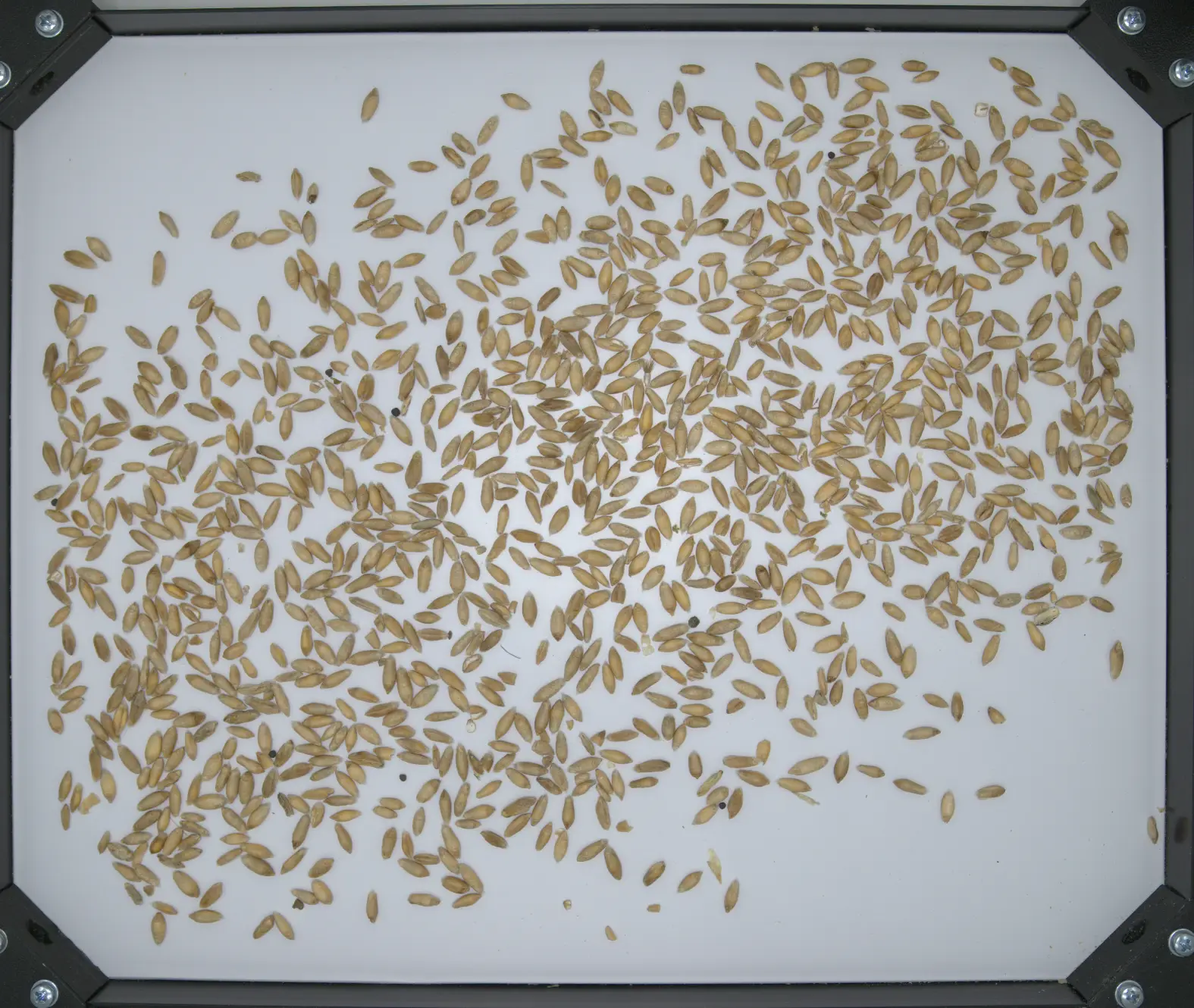
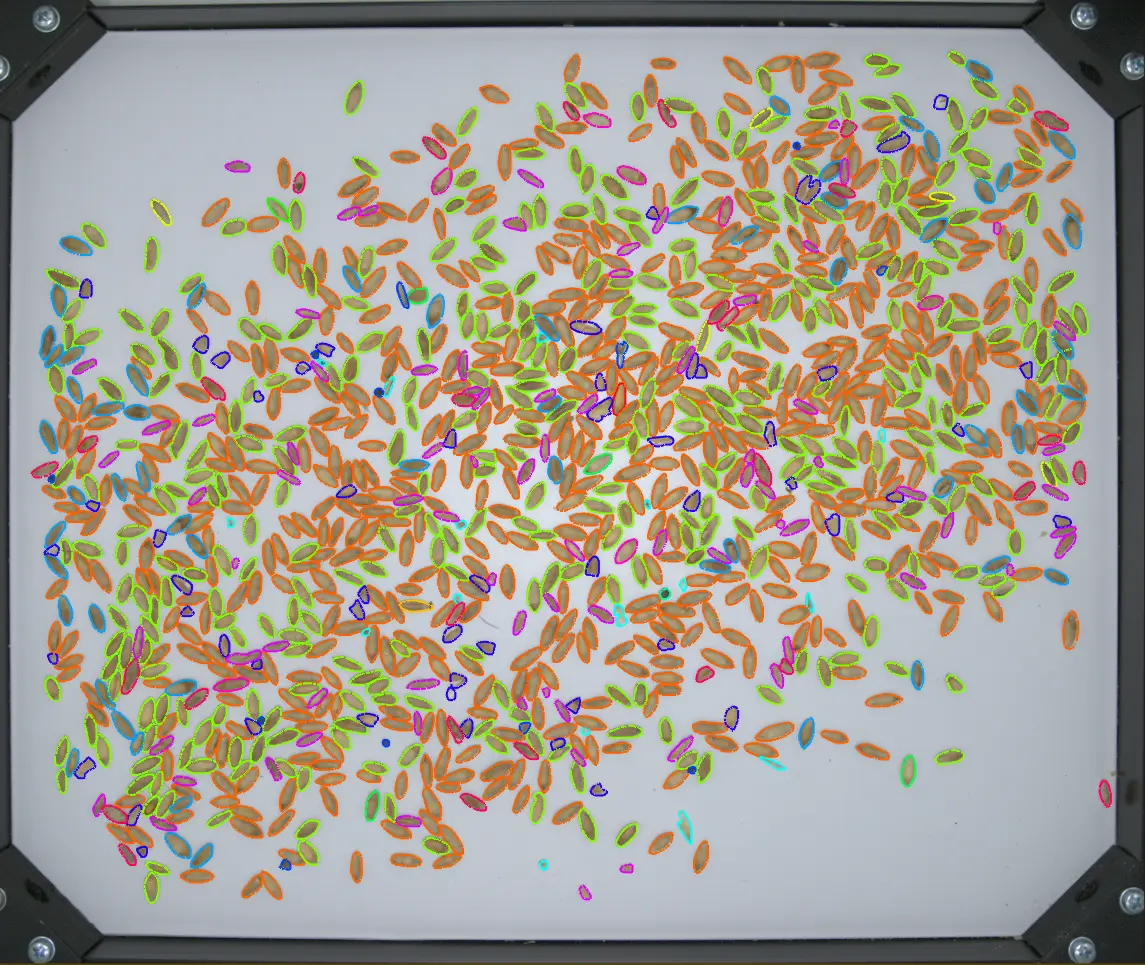
Wheat sample collected at Klaipėda port: original view vs AI annotations.
Objective, Repeatable Results
Unlike manual inspection, which can vary based on operator experience, fatigue, or subjective judgment, GrainODM delivers consistent results across all operators and shifts. This objectivity is particularly valuable for international grain trade, where quality disputes can have significant financial and operational consequences.
Watch the Onboarding at Klaipėda Port
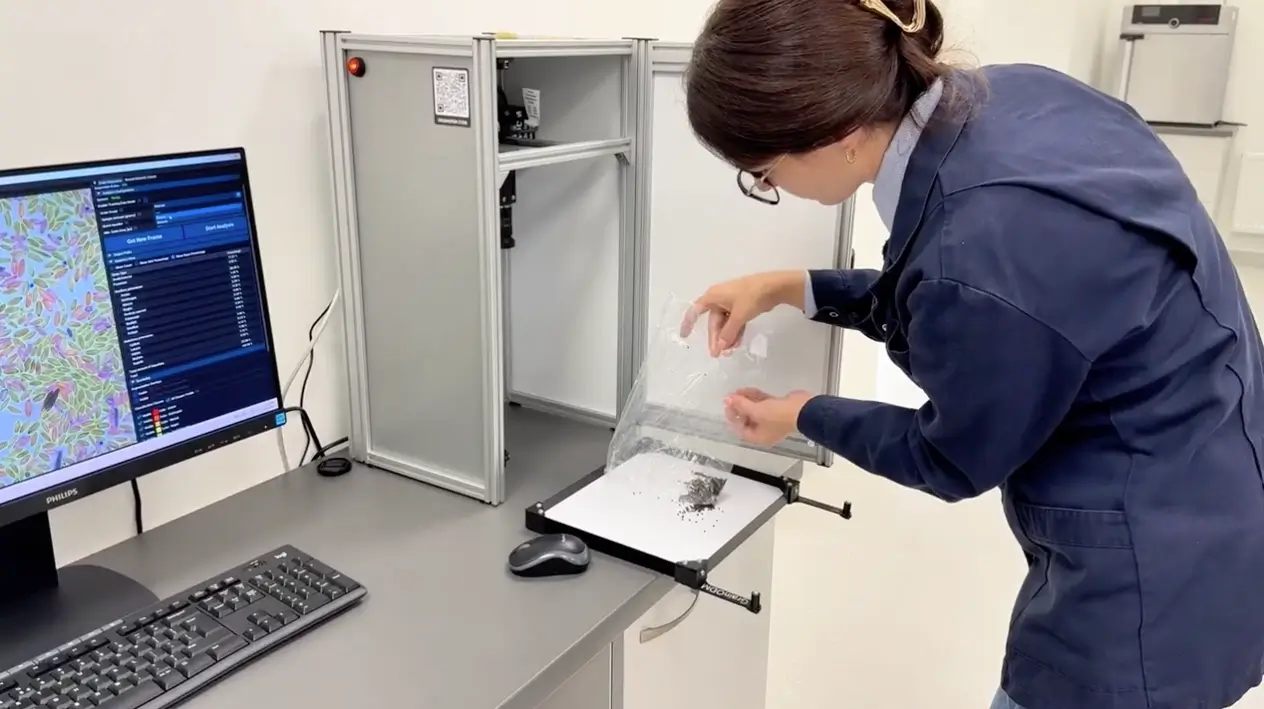
Experience the Sekargas Hamilton quality team onboarding session and see how the GrainODM platform captures samples, flags anomalies, and produces instant reports at the Klaipėda facility.
Raising the Standard for Grain Port Inspection
The adoption of GrainODM enhances Sekargas Hamilton’s capabilities in several key areas:
- Faster decision-making for grain shipments — Analysis results available in seconds rather than minutes
- Higher throughput during vessel loading and unloading — More samples processed without creating bottlenecks
- Accurate impurity detection — Reducing the risk of disputes and quality-related trade issues
- Greater consistency across teams and shifts — Objective results independent of operator experience
- Digital records — Supporting auditability and certification workflows for GAFTA, FOSFA, and ISO standards
In the context of grain port inspection, where every minute affects logistics, vessel schedules, and trade outcomes, reducing analysis times from minutes to seconds is a meaningful step toward operational excellence.
A Shared Vision for Digital Transformation
This partnership also reflects broader movement within the Baltic grain sector: a shift from manual laboratory processes toward AI-enabled grain quality assessment. As grain exporters, processors, traders, and inspection bodies embrace digitalization, tools like GrainODM help them improve accuracy, stabilize workflows, and meet growing international quality expectations.
Sekargas Hamilton’s commitment to innovation aligns perfectly with GrainODM’s mission — to make grain purity analysis faster, more objective, and accessible to every organization in the supply chain.
What This Means for Sekargas Hamilton & the Industry
For Sekargas Hamilton, integrating GrainODM means aligning their promise of “independence, accuracy, and trust” with a modern inspection backbone. They’re shifting from traditional inspection methods toward AI-enabled assurance, reinforcing their quality differentiation and competitive advantage in the Baltic grain market.
For the broader Baltic grain industry, this collaboration signals a turning point: quality inspection is no longer an afterthought; it is strategic. As trade volumes increase, regulatory frameworks tighten, and international quality expectations rise, companies that adopt data-driven, automated inspection will outperform those reliant on manual methods.
Looking Ahead
We are proud to support Sekargas Hamilton as they elevate their grain inspection and grain port inspection capabilities. With AI-powered precision and modern digital reporting, the company is well-positioned to continue leading quality assurance efforts across Lithuania and the wider Baltic region.
This partnership reinforces a shared belief: the future of grain inspection is fast, consistent, and data-driven.
Interested in similar improvements for your operation? Use our ROI Calculator to estimate potential time and cost savings from automated grain inspection.
Frequently Asked Questions
GrainODM has partnered with Sekargas Hamilton, JSC, one of the most respected inspection and testing companies in Lithuania and a key member of the international J.S. Hamilton Group, to introduce AI-powered grain purity analysis. This partnership enhances Sekargas Hamilton's grain port inspection capabilities through automated detection, faster throughput, and full digital traceability for international grain trade.
GrainODM's system uses advanced computer vision and deep learning models to automatically detect impurities, foreign grains, and quality defects in grain samples. The system analyzes samples in seconds, generating digital reports with high-resolution images, defect breakdowns, and time-stamped logs that support certification workflows and audit requirements.
Automated grain port inspection delivers several key benefits: faster decision-making for grain shipments, higher throughput during vessel loading and unloading, accurate impurity detection that reduces the risk of disputes, greater consistency across teams and shifts, and digital records supporting auditability and certification workflows.
Grain port inspection is critical for verifying grain purity, impurity thresholds, moisture levels, and overall quality parameters that determine trade value. In high-volume, time-sensitive environments like ports, maintaining consistency and eliminating subjectivity is crucial—especially during peak seasons when grain movements intensify.
The GrainODM-Sekargas Hamilton partnership signals a broader movement within the Baltic grain sector: a shift from manual laboratory processes toward AI-enabled grain quality assessment. As grain exporters, processors, traders, and inspection bodies embrace digitalization, tools like GrainODM help them improve accuracy, stabilize workflows, and meet growing international quality expectations.
The New Standard in Grain Purity Analysis
Data, not guesswork. Learn how GrainODM sets a new benchmark for digital grain inspection.